
Slab Leak Detection
Finds a supply leak under the concrete with meter tests, listening gear and thermal imaging, before anyone breaks the floor.
View service (512) 254-7509
Sometimes the best way to fix a slab leak is to stop using the pipe under the slab. A reroute runs a new line above the floor and leaves the old one in place.
Leander Leak Detection is a free referral service. Calls are answered by independent local providers who set their own prices.

Pipe rerouting in Leander replaces a leaking under-slab water line with a new line run through the walls or attic. An independent local plumber disconnects the old pipe and supplies the fixture from above, so the floor usually stays intact.
Pipe rerouting is a way of fixing a slab leak without fixing the pipe under the slab. Once slab leak detection has confirmed which line is leaking, the plumber disconnects that line where it enters and leaves the slab and caps it. A new pipe is then run above the floor, through the walls and attic, to the same fixture. The old line stays under the concrete, unused.
Homeowners pick a reroute when opening the floor would be costly or disruptive, when a line has already leaked before, or when the leak is under cabinets, a kitchen island or expensive tile. It is the main alternative to a direct slab leak repair, and both are explained on our main leak detection Leander page.
The plumber maps a path from the supply to the fixture through walls and attic.
A few small cuts in drywall let the new line pass where it needs to turn.
New pipe is run, secured and connected at both ends, and the old line is capped.
The new line is pressure tested and access points are left ready for patching.
The house has already had one slab leak on the same system.
The marked spot sits under an island or built-ins.
Large tile or hardwood that is hard to match.
The rest of the line looks worn on testing.
Hot lines are often rerouted because they leak more.
A single long line under the slab feeds a distant bath.
You would rather not cut a post-tensioned slab.
A new line means less worry about future slab leaks.
Water meter moving with every tap off? Call (512) 254-7509 for a local provider.Open 24/7 · Talk to a local provider in Leander
Call 24/7 (512) 254-7509In Leander, nearly every house sits on a slab over expansive clay, and many newer homes use post-tensioned slabs with steel cables inside. Cutting into that kind of slab takes care, and some owners would rather not cut at all. A reroute avoids the slab entirely.
Flooring is another reason. Large-format tile and continuous wood floors are common in homes built during the city's growth years. Matching tile or boards years after installation can be hard, and a patch may always show. A reroute through the walls avoids that problem.
Finally, once one leak has appeared, the forces that caused it, clay movement, slab flex and pipe wear, are still at work on the rest of the line. Replacing the run overhead removes that line from the soil altogether.
Ask the provider to show you the planned route on a quick sketch before work starts, including where each wall opening will be. It helps you plan furniture and patching, and avoids surprises.
Most Leander homes have attic space above at least part of the house, which makes overhead routing practical. Two-story homes can be trickier because the second floor sits between the attic and first-floor fixtures; there the plumber may route through interior walls or closets instead.
Because Central Texas attics get very hot in summer and the area saw the February 2021 freeze, lines in the attic need good insulation and should be kept away from vents and the roof deck. A provider who works locally will plan for both extremes. In larger homes such as those in Crystal Falls, longer runs make the planning stage especially important.
Warm spot on the floor? A provider can talk it through by phone.Open 24/7 · Talk to a local provider in Leander
Call 24/7 (512) 254-7509
The plumber confirms the route, the access points and how long water will be off.
Floors and furniture near access points are covered.
The new line goes in and the old line is cut off and capped.
The system is tested and you get a summary of what was done.
Water on the floor right now? Shut the main valve and call.Open 24/7 · Talk to a local provider in Leander
Call 24/7 (512) 254-7509| Single-line reroute | Whole-house repipe | |
|---|---|---|
| Scope | One leaking line to one or a few fixtures | New lines to every fixture |
| Time | Often a day | Several days |
| Best for | One leak, rest of system sound | Several leaks or old pipe throughout |
| Wall openings | A few | Many, in every room with plumbing |
| Factor | Why it matters | What to ask on the call |
|---|---|---|
| Length of the new line | Longer runs need more pipe and time | How long will the new run be? |
| Number of fixtures | Each connection adds work | Which fixtures will be reconnected? |
| House layout | Two-story homes can need more wall access | Will you route through the attic or walls? |
| Pipe material | PEX and copper differ in cost and labor | What pipe will you use? |
| Drywall and paint | Patching may be separate | Is drywall repair included? |
A reroute is usually planned, not rushed. But if a slab leak is large and the leaking line feeds the whole house, a plumber can often cap the leaking section and run a temporary or permanent line the same day to get water back on. Tell the provider on the call if your water is off because of the leak.
Water meter moving with every tap off? Call (512) 254-7509 for a local provider.Open 24/7 · Talk to a local provider in Leander
Call 24/7 (512) 254-7509Do not leave a capped line under pressure without telling the plumber. Make sure the old line is fully disconnected at both ends so it cannot keep leaking under the slab.
Once the new line is in, watch the meter with everything off to confirm the leak has stopped. Keep the invoice, which also counts as proof of repair for the City of Leander's leak adjustment within 90 days. Note where the new line runs in the attic, so future work up there, such as insulation or HVAC changes, does not damage it.
A single-line reroute in a typical Leander home is often finished in a day, though longer runs or two-story layouts can take more. Water is usually off for part of that time, while the old line is cut off and the new one is connected. Most providers plan the shut-off for a few hours, not the whole day, and tell you in advance.
Expect some noise and dust at the access points, and plan for someone to be home so the plumber can reach the attic and the rooms where the line will connect. Once the new line is tested, the access openings are left neat and ready for drywall repair. Some providers include patching; others leave it to a drywall or handyman service. Ask which applies before work starts, so you know what the finished job will look like.
Warm spot on the floor? A provider can talk it through by phone.Open 24/7 · Talk to a local provider in Leander
Call 24/7 (512) 254-7509The leaking line under the slab is capped and abandoned, and a new line is run through the walls, ceiling or attic to supply the same fixtures. The floor is usually left alone.
It depends. A reroute avoids opening the floor and replaces an old line with a new one, which helps when leaks repeat or flooring is costly. A spot repair can be faster and simpler for a single leak.
Usually a few small openings where the line turns or reaches a fixture. The rest of the run goes through the attic or inside walls. Drywall patching and paint are often separate.
Many providers use PEX for reroutes because it is flexible and needs fewer joints. Copper is also used. Ask what material they plan to use and why.
Attic lines need proper insulation and placement, which matters in a region that saw the 2021 freeze. A careful provider routes and insulates the line to protect it.
Yes. A full repipe runs new lines to every fixture overhead. It is a bigger job, usually considered when a home has had several slab leaks.
Finds a supply leak under the concrete with meter tests, listening gear and thermal imaging, before anyone breaks the floor.

Fixes the leaking line once it is pinpointed: a spot repair through the slab, or a plan to bypass it.

Traces leaks on the buried service line between the meter box and the house, under lawn or driveway.
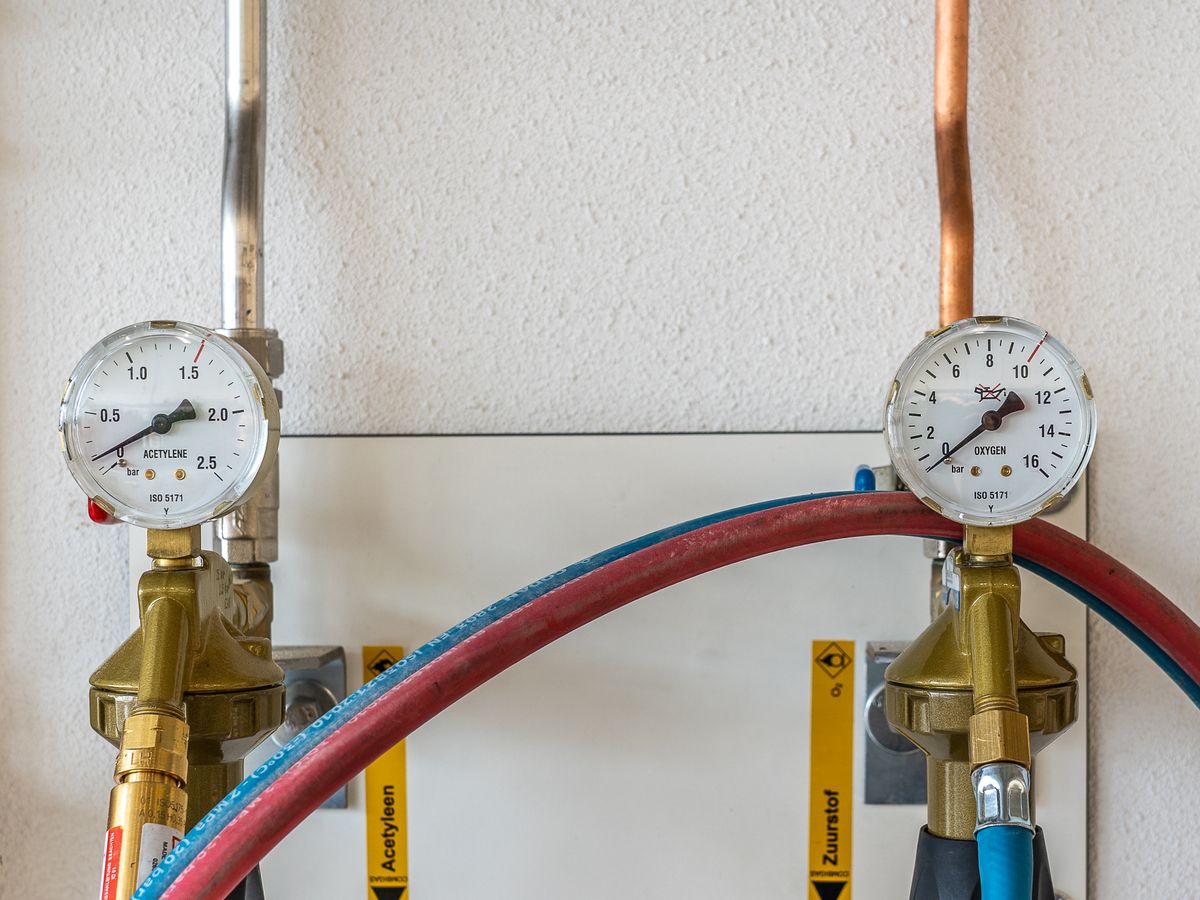
For warm floor spots and a heater that runs nonstop. Isolates the hot side and finds where it escapes.

Camera and test-plug work on drain lines under the foundation, where a leak soaks the soil quietly.

Water spreading across a floor or a meter spinning fast? Shut-off help by phone, then a fast visit.


Representative photos of the kind of work local providers handle.
Talk to a local provider
One call connects you with an independent plumber who works in Leander. They explain the likely cause and give a price before any work starts.
(512) 254-7509